A share of the harvest
A produce entitlement from the farm each season, plus priority to buy more of what you love through Dirgha Fresh.
What Is a Collective
Dirgha sits between two familiar options — and deliberately avoids both. It isn't managed farmland, where you buy in and someone else quietly runs everything. It isn't a few friends buying land together, where the shared dream slowly runs aground on labour, logistics, and who-does-what.
A collective is something older and steadier than either: shared ownership of a real working farm, professionally run, with a small group of people who actually want to be part of it.
Where Dirgha Sits
Dirgha isn't in the middle of the spectrum. It's near the individual-ownership end — for people who genuinely want to own farmland, not an investment product.
Individual Ownership
You want to own farmland — but alone, you carry the full load: labour, water, legal, and the constant pressure to eventually subdivide and sell.
Managed Farmland
You want a hands-off agri-investment. Someone else owns the operation; you're a customer of it. This is not Dirgha.
Dirgha Collective
You want to own farmland and keep it a real farm. So a small group pooled into one company — the land works as one estate, run professionally, and is never sliced into individual plots.
Because we wanted the land to stay a farm.
If you're looking for a managed-farm investment or a weekend layout, Dirgha isn't for you. Dirgha is for people who genuinely want to own farmland — and want it to work as farmland, not get divided into individual pieces. We pooled into one company precisely so the land stays one farm. The collective is the means; keeping it whole is the point.
Not sure if that's you? Come and see the farm first →
The Honest Comparison
Most buyers weigh Dirgha against managed farmland — not against going alone. This is that comparison.
| Managed Farmland | Dirgha Collective | |
|---|---|---|
| What you own | A plot, or a slice of a managed scheme — a product someone sells you | A share of the company that owns the whole farm |
| Who runs it | A developer, for their customers | A professional team, for the owners — and you're one of them |
| Does it stay a real farm? | Often a layout of individual plots with farm styling | One undivided working farm, by design — never subdivided |
| Your say | None — the operator decides | A shareholder's voice: you vote, you're kept informed |
| The produce | Usually sold back to you, or a yield promise | A share of the harvest, plus priority to buy more |
| What it costs | 3–4× bare land value — then maintenance fees on top | Under 2× bare land value, all-in: acquisition, registration, development, and cultivation. Possible only as a collective. |
| Access to the land | Your plot only — the rest of the estate isn't yours to walk | The whole estate — you own a share of it all, and you can enjoy all of it |
| Stepping out | Resell a parcel yourself — deed, stamp duty, find a qualified buyer | Transfer a share through the company's process — lighter, cleaner |
Managed farmland schemes are priced at 3–4× the bare land purchase value — with maintenance charged separately on top. Dirgha has come in under 2× bare land price, all-in: land, registration, development, and cultivating the food forest.
That's only possible because a small group brings economies no individual buyer can access alone — shared infrastructure, shared operations, no developer margin layered in.
What You Actually Own
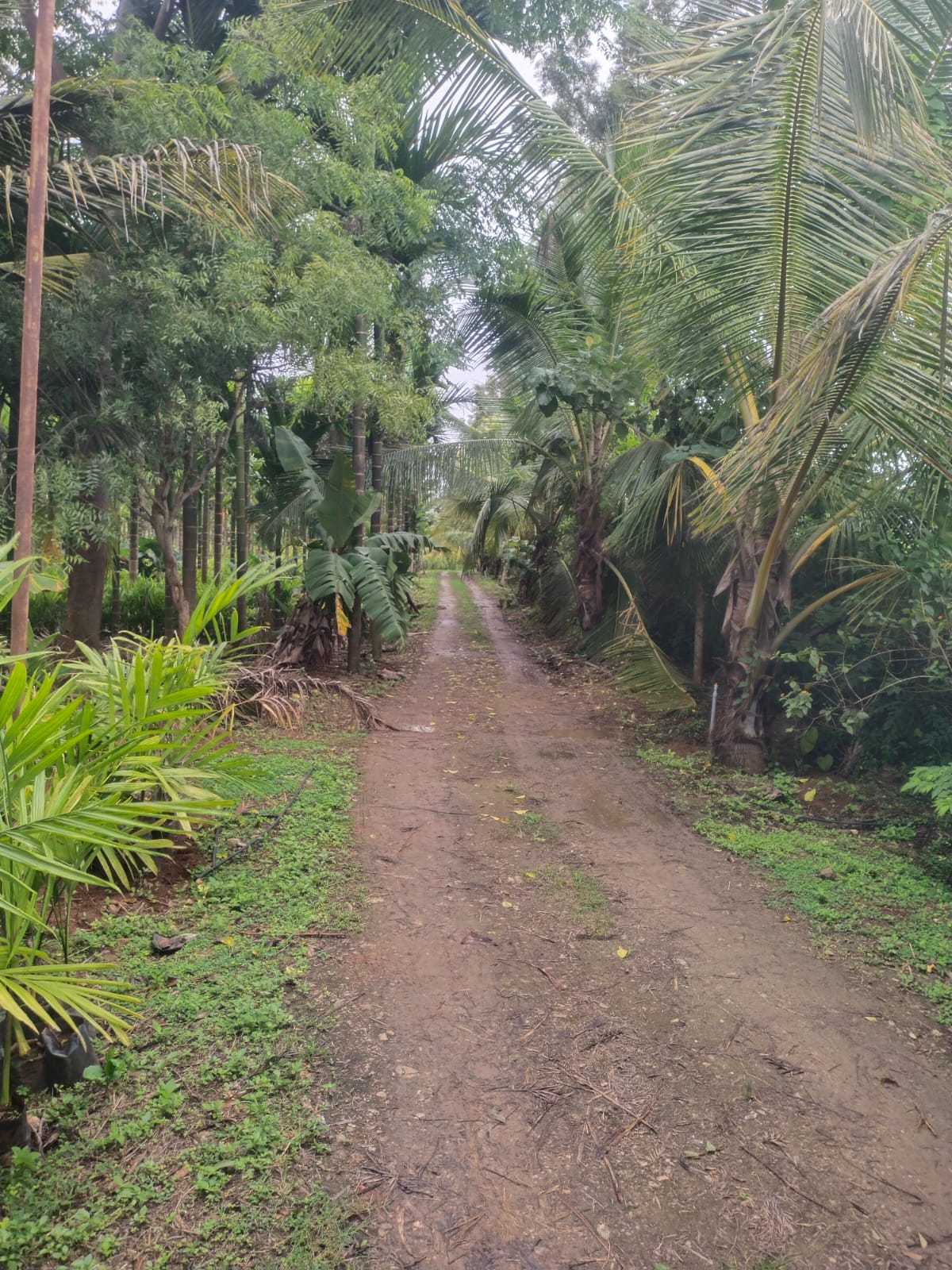
When you join Dirgha, you become a shareholder in Dirgha Habitat Private Limited — the company that owns the land and runs the farm. You don't buy a plot or manage anything yourself. You own a share of the whole working enterprise, and a say in how it's run.
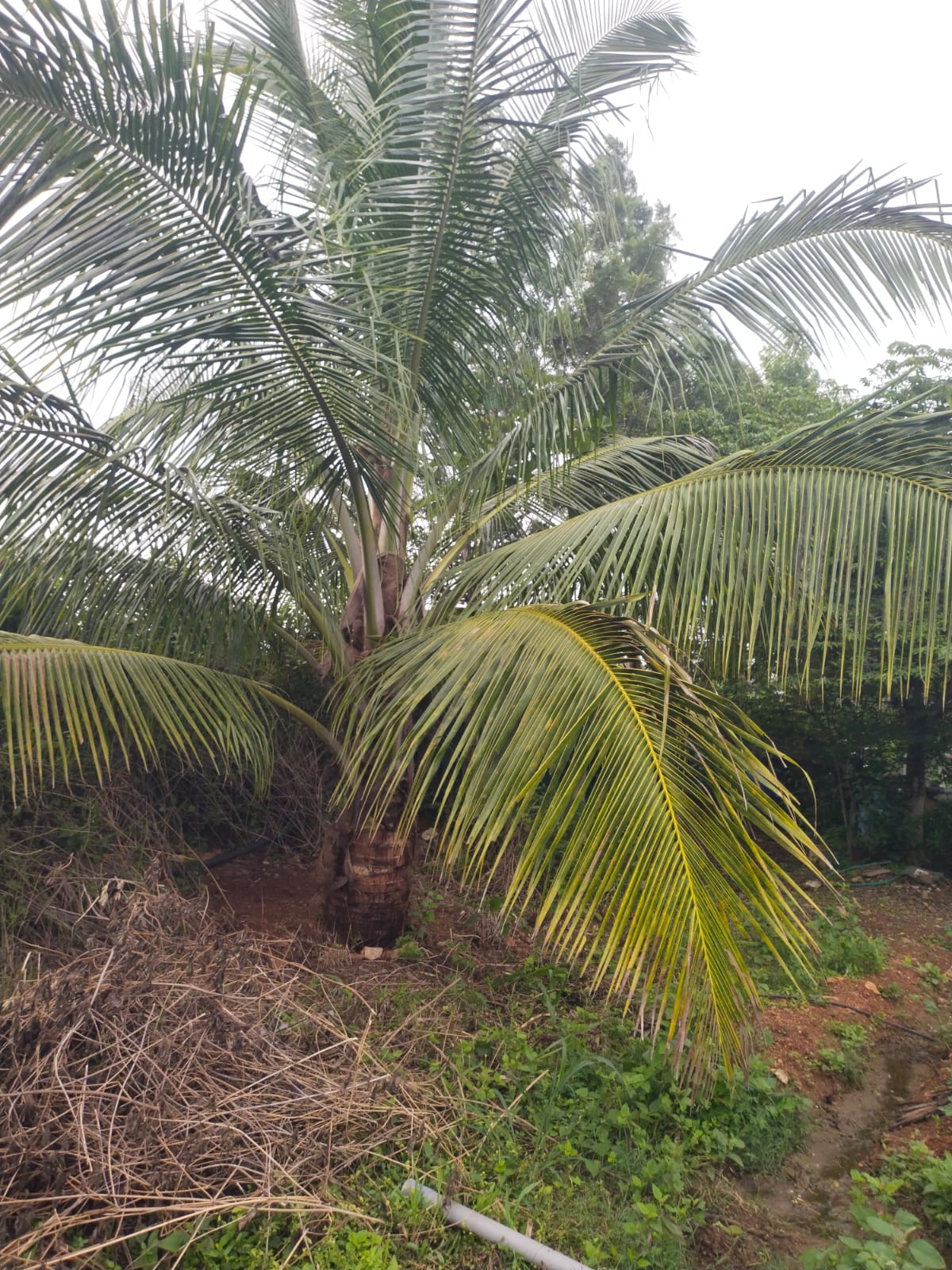
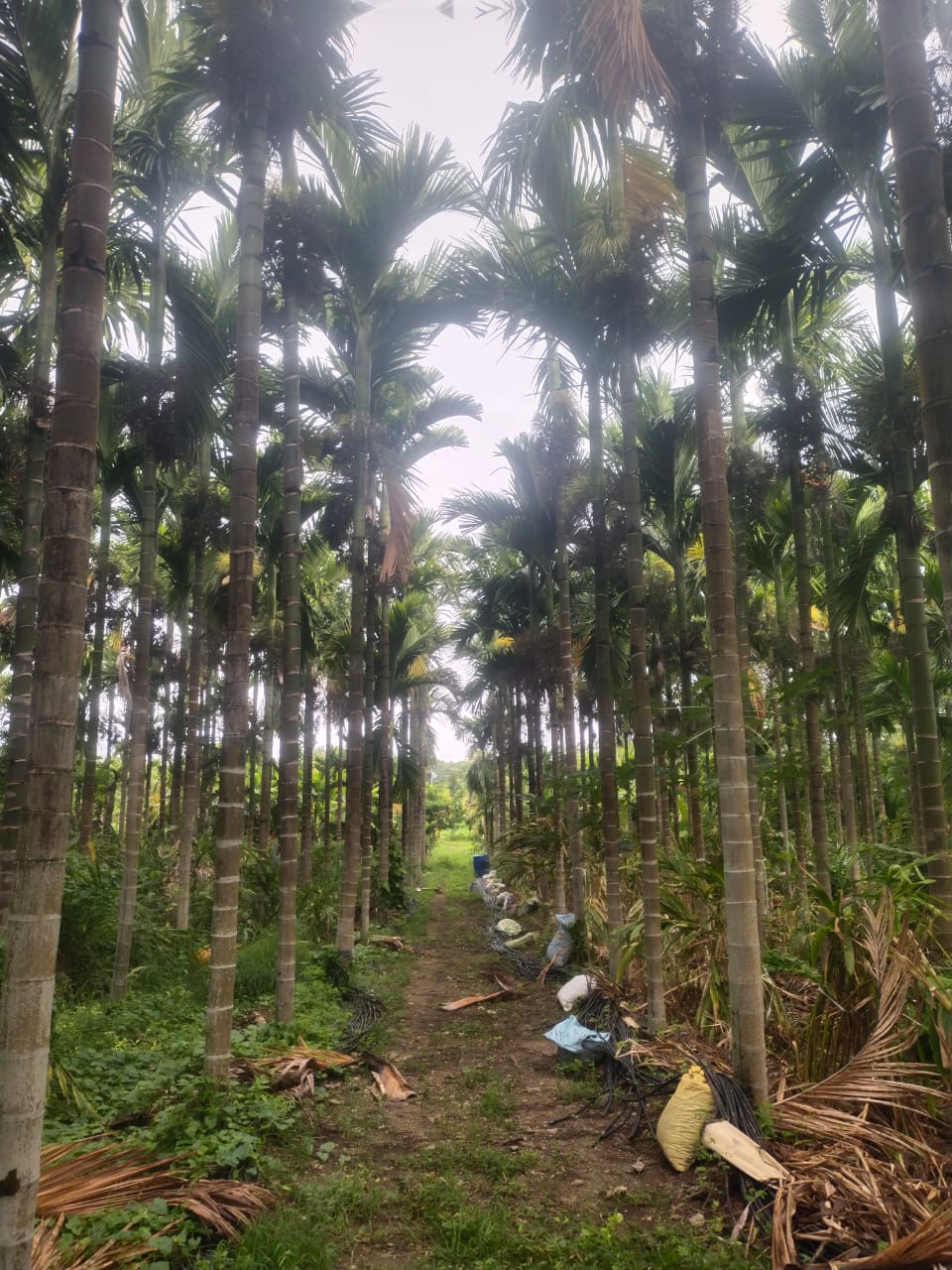
A produce entitlement from the farm each season, plus priority to buy more of what you love through Dirgha Fresh.
It's your farm. Come whenever you like, for as long as the day allows. Overnight stays and a guest house are part of the plan as the community grows.
As a shareholder you vote on matters put to shareholders, receive regular reporting on the company, and have first right to participate in future rounds. Day-to-day operations are run by a professional team and the founding promoters — so the farm is well-run without waiting on a committee.
Life changes. A share is far simpler to pass on than a parcel — no sale deed, no stamp duty on property, no hunting for a buyer qualified to own farmland. Transfers go through the company's process, so the farm stays whole and you're never stuck holding land you have to offload on your own.
Professional Operations
The parts that break most farm ownership — legal complexity, farm operations, produce logistics, compliance — are handled professionally and centrally.
Dirgha Habitat Private Limited holds the estate. Your stake is registered equity — clean RoC filings, transparent records, properly documented on cap table.
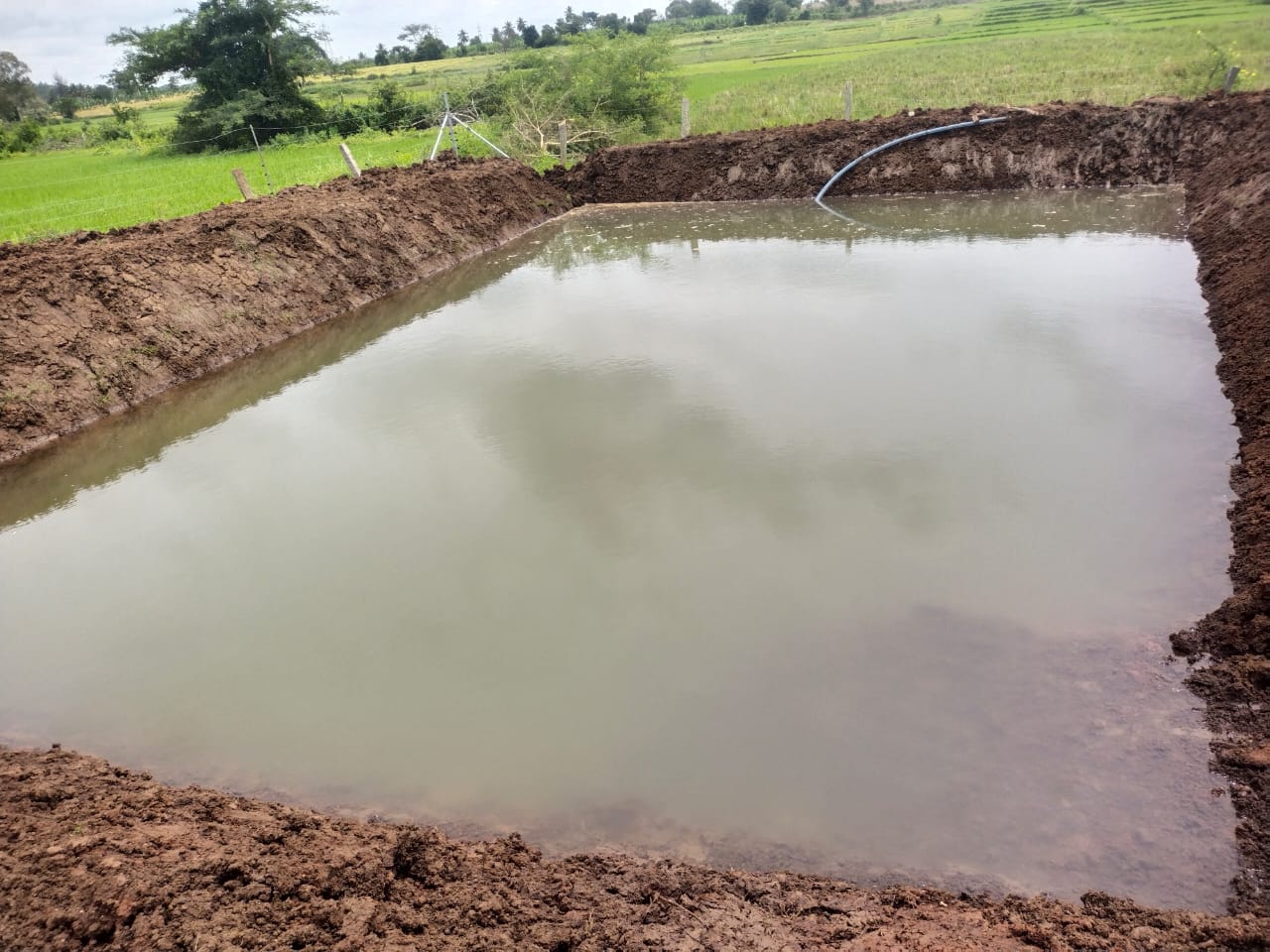
A permanent on-site team manages irrigation, soil health, pest cycles, planting calendars, and labour. You inherit professional infrastructure.
Independent lab testing on recurring cycles. Farm-origin disclosure with every produce batch. Distribution coordinated by Dirgha — not outsourced.
RoC filings, banking, accounts, and compliance handled centrally. Shareholder meetings are documented and information rights are upheld.
Early, On Purpose
Dirgha is a working farm and a real company today — and deliberately small. Some of what's coming — overnight stays, shared guest houses, deeper community amenities — is still ahead of us. That's the point of joining now: you help shape it, rather than arrive after it's finished.
On guest houses — future state
When we build guest houses, they'll belong to the collective — not to any one owner. You book one when you need it, and skip the cost and bother of maintaining a home that sits empty most of the year. Shared, not owned twice over.
"You become a shareholder in the company that owns the farm. From that ownership flows everything else — a share of the harvest, an open welcome on the land, a real say as an owner, and a seat in a small, curated community."
The Collective
Dirgha is capped at 15 owners — small enough that everyone knows everyone, large enough to bring real range: people who cook, build, heal, teach, grow.
The founding cohort — the first 7 — is complete.
The Canopy Cohort is open.
Up to 8 more seats, by application and referral.
Who this is for
Dirgha is for people who want to step off the hedonic treadmill and build something that lasts — a place to grow food, slow down, and age well with others who share that intention.
We're looking for Canopy Cohort members who are aligned on the philosophy, not just the financials. The land exists. The farm is working. The community is forming.
Entry is by referral — we're introducing Dirgha through existing connections, not open listing. If you're here, someone thought you'd belong.
Express Interest
Whether you want to visit the farm, learn more about the collective, or just stay in the loop — we'll reach out personally. No mass email, no sales funnel.
This is the start of a conversation, not a commitment.